Why Rebuild?
Machine tools are large investments, and not all machines fall into the same category. Some are commodity units-easily replaced. Others are legacy machines-built to a standard that no longer exists. The choice to replace or rebuild is ultimately yours and it’s not the same answer for every machine. All machines wear out, though so slowly that it often goes unnoticed until a new job or a new operator reveals its limits.
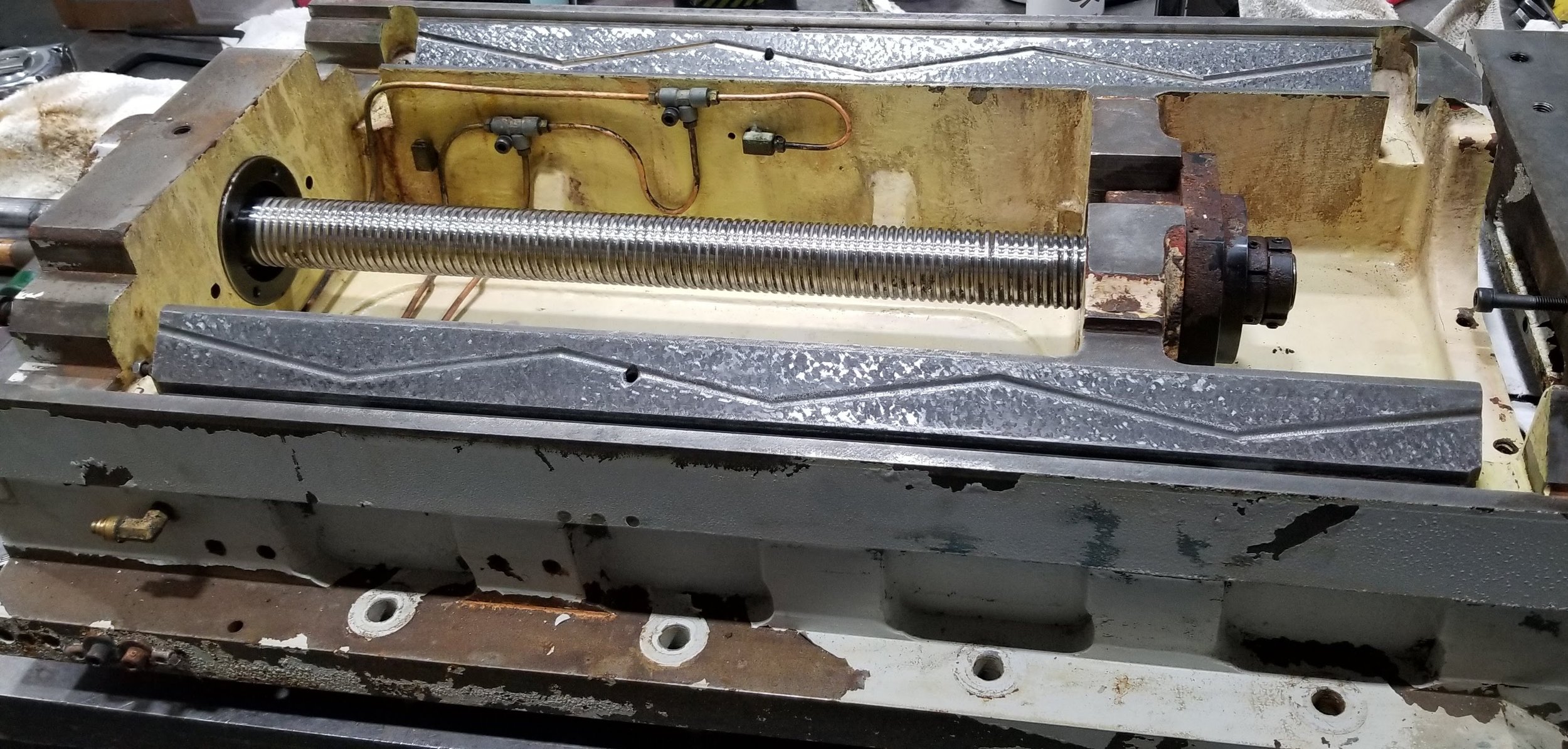
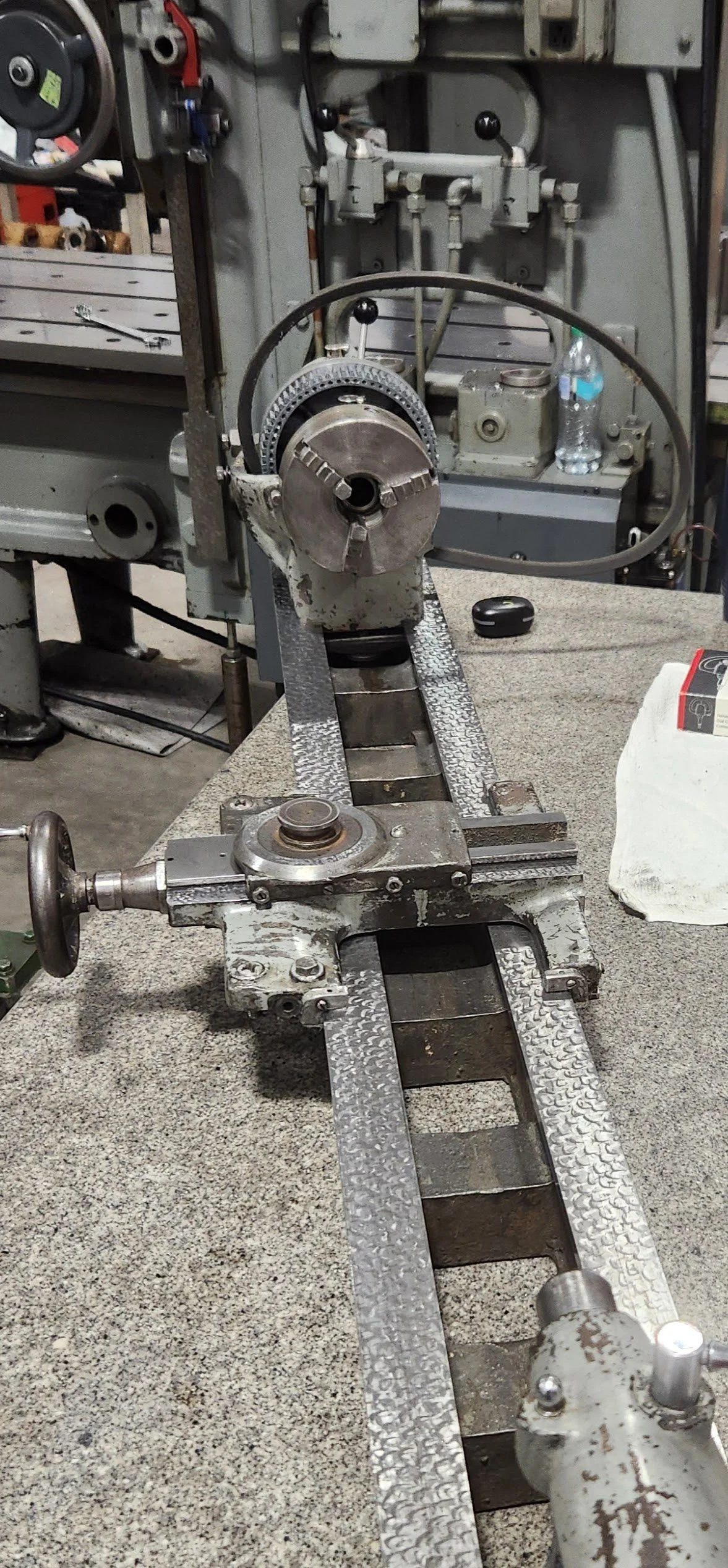
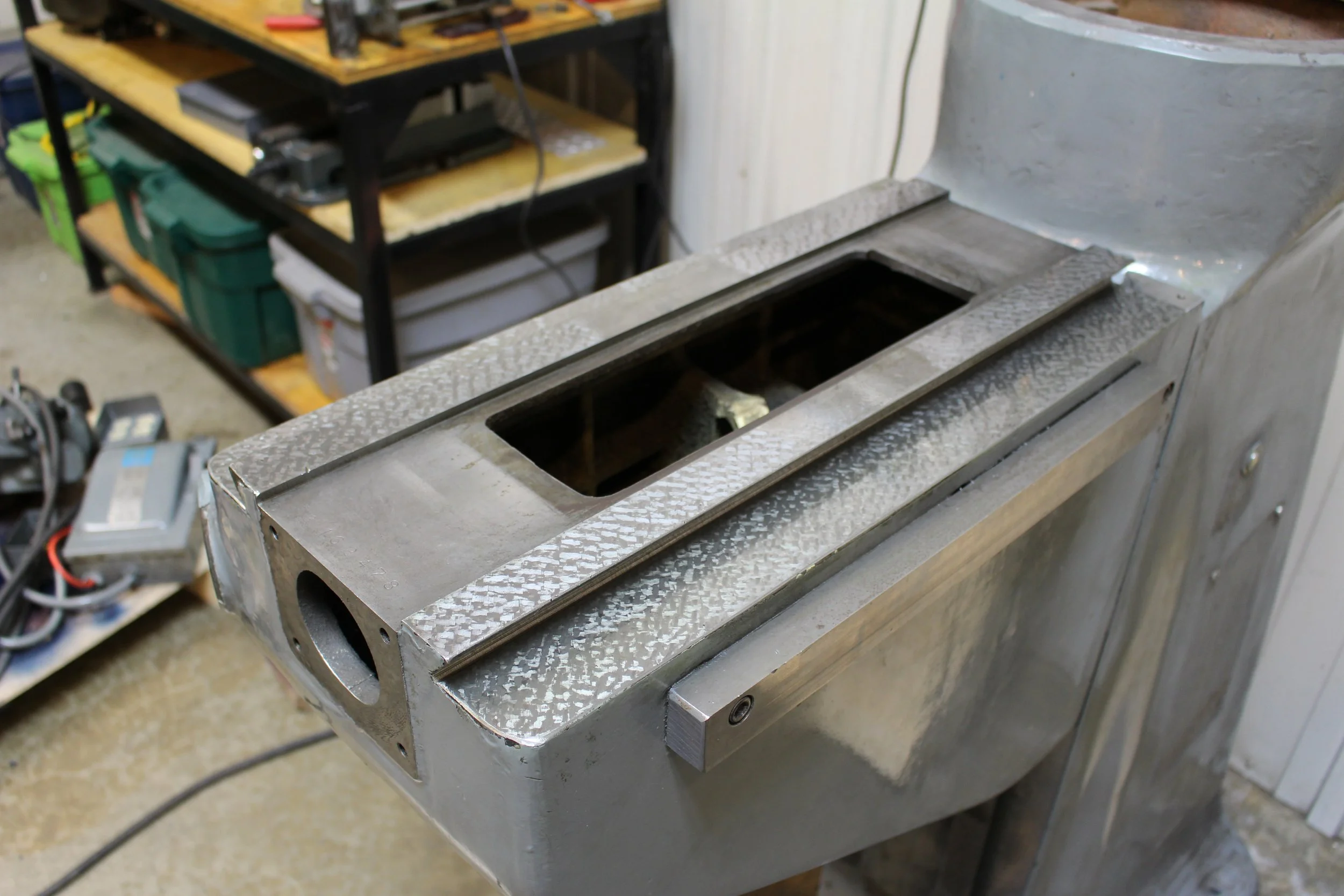
Good machine designs have evolved over many decades, and certain machine tools can keep functioning long after the way surfaces are essentially compromised, simply by utilizing good geometry. Take a manual lathe for example, the V and Flat way design of the saddle ensures a self-reinforcing kinematic no matter the condition of fit. So why rebuild it? Functionality and efficiency are not the same thing. The old worn-out lathe may still function, but its saddle may be missing a vast percentage of surface contact to the bed. This is a direct compromise in stiffness, damping, repeatability, accuracy and ease of use. Simply rebuilding one axis can restore all of that and then some. Modern way materials and lube systems can be added, and an already solid legacy machine only gets better.
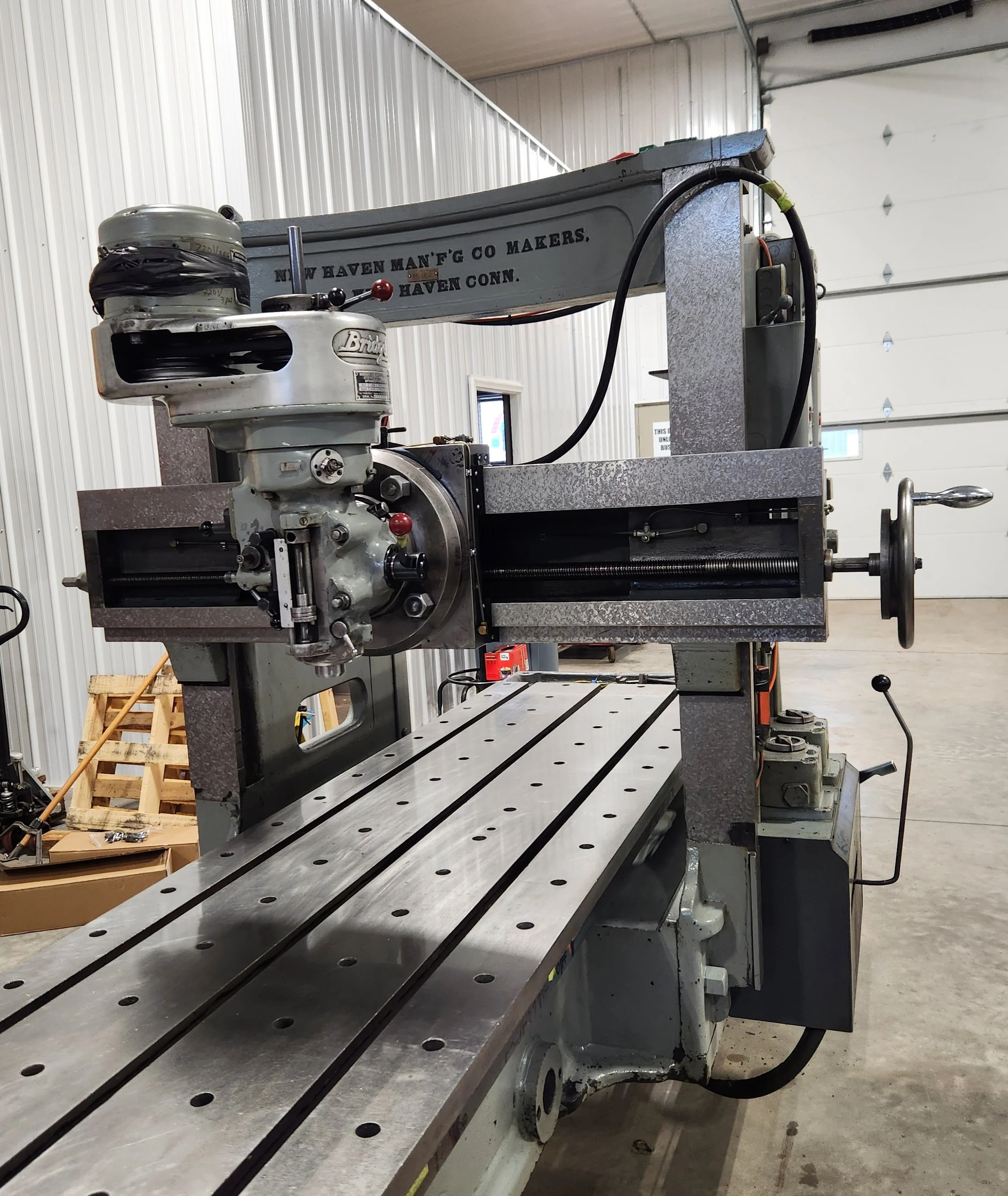
This is all especially true in manual machine tools. Today, manual machining technology is essentially old news. CNC simply makes sense in production; nobody is arguing there. This means that all of the world class machine builders have moved on from the manufacture of manual equipment, leaving the demand to be fulfilled by imported and lower quality builders. There is, however, still a need for manual equipment in tool rooms, R&D, repair and prototyping. A manual machine tool from the 50’s or 60’s is going to outclass its modern equivalent by a large margin. The gears are oversized, the bearings oversized and of high class, the iron is of much higher quality, the way surface area is much greater, etc. That is because the manual machine of yesterday was the height of machining technology for its time. Today, manual machine tools are simply viewed as ancillary support equipment. FEA simulation tells us just how strong it needs to be, but 50 years ago it was more of an educated guess, and so the designers erred on the side of extra mass. This level of build quality is not economically viable today.
Rebuilding is also relevant in CNC machining and turning centers. Most machine tools have a 10-20 year service life. However, there are many older machines that still run great but just don’t hold a tolerance anymore. For a fraction of the cost of a new machine, Turcite can be replaced, box ways can be ground, linear ways exchanged, and these machines can be kept in service for many more years. New machine tools have their place, and if you need a technology upgrade, then it makes sense. However, in many cases there is value in not having to re-train operators on a new control, and having a machine rebuilt in a few weeks is much less painful than waiting six months to a year for a new machine to be built, delivered and then trained on.